Introducing commerce without breaking trust
Formalize a brand build around a meme account without losing the authenticity the audience trusted. Design a commerce experience that felt native, not corporate. Sell products without selling out.
My role spanned brand development, shop design, product design, photography direction, e-commerce UX, and email.
The Dad Store launched successfully, scaled to over $2M in sales, and was acquired by BDG as part of the Fatherly acquisition. A 75% women buyer insight reshaped the product strategy mid-launch, leading to best-selling products including a daily dad joke calendar and ABC children's book.
When a Joke Starts to Mean Something
The Dad didn't start as a brand. It started as a meme account. Small team, small following. A place people came to laugh, scroll, and move on with their (very busy and maybe chaotic) lives.
Becoming a dad taught me that pretty quickly. Still learning that lesson. Maybe even now as I try to type this sente9812y35924bg!#4.
The Dad had built an audience on authenticity and approachability. Readers trusted the voice, the vibe, the whole thing. Then came the business reality: we need to sell products. So how do you introduce commerce without breaking that trust? How do you say "hey, buy our stuff" without sounding like every other brand that sold out?
The team was protective. Rightfully so. They'd built this thing from scratch. The last thing they wanted was some designer coming in and plastering logos everywhere, turning earnest content into a catalog.
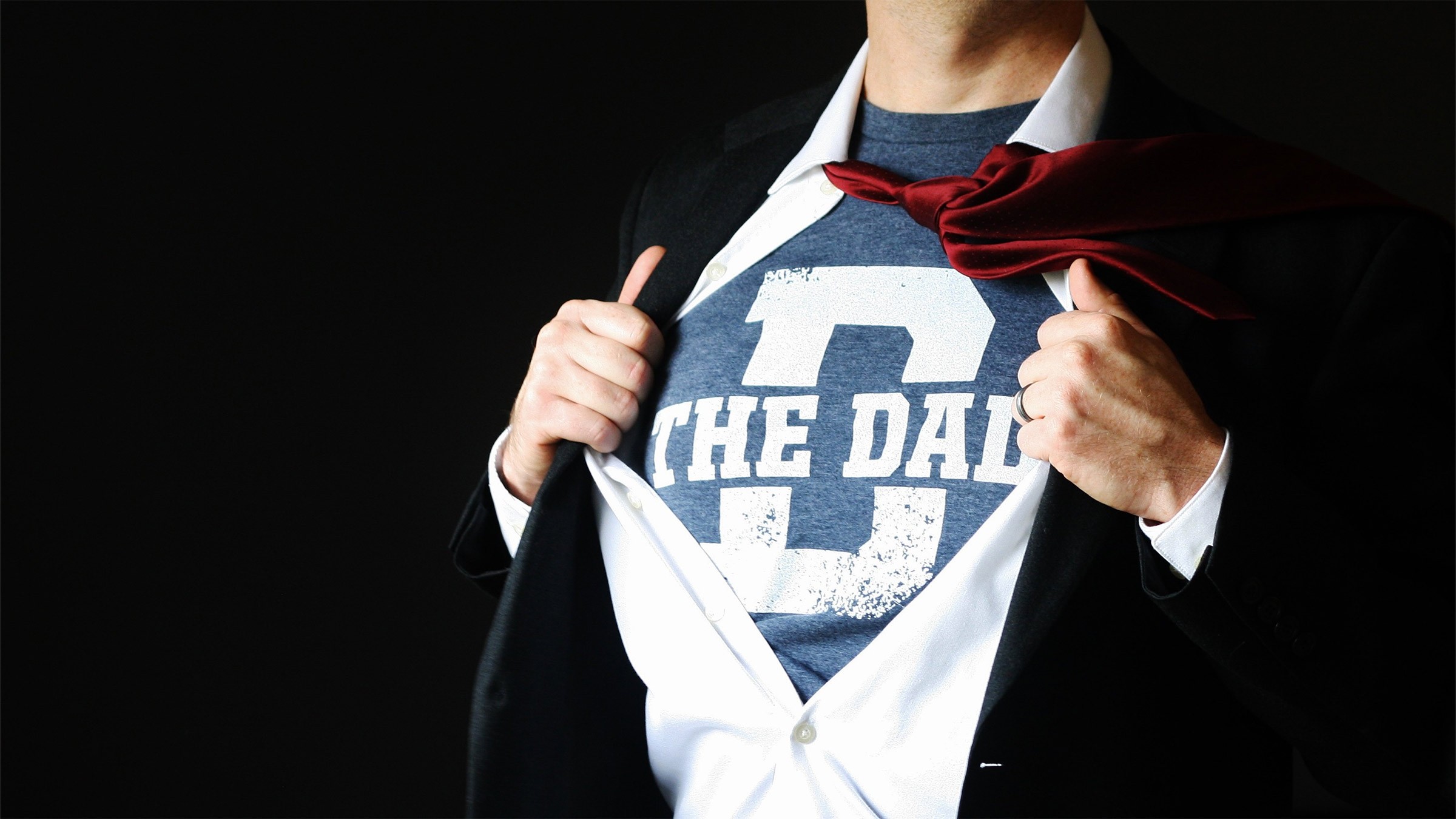
The team was protective. Rightfully so. They'd built this thing from scratch.
Heightening the Brand without Breaking
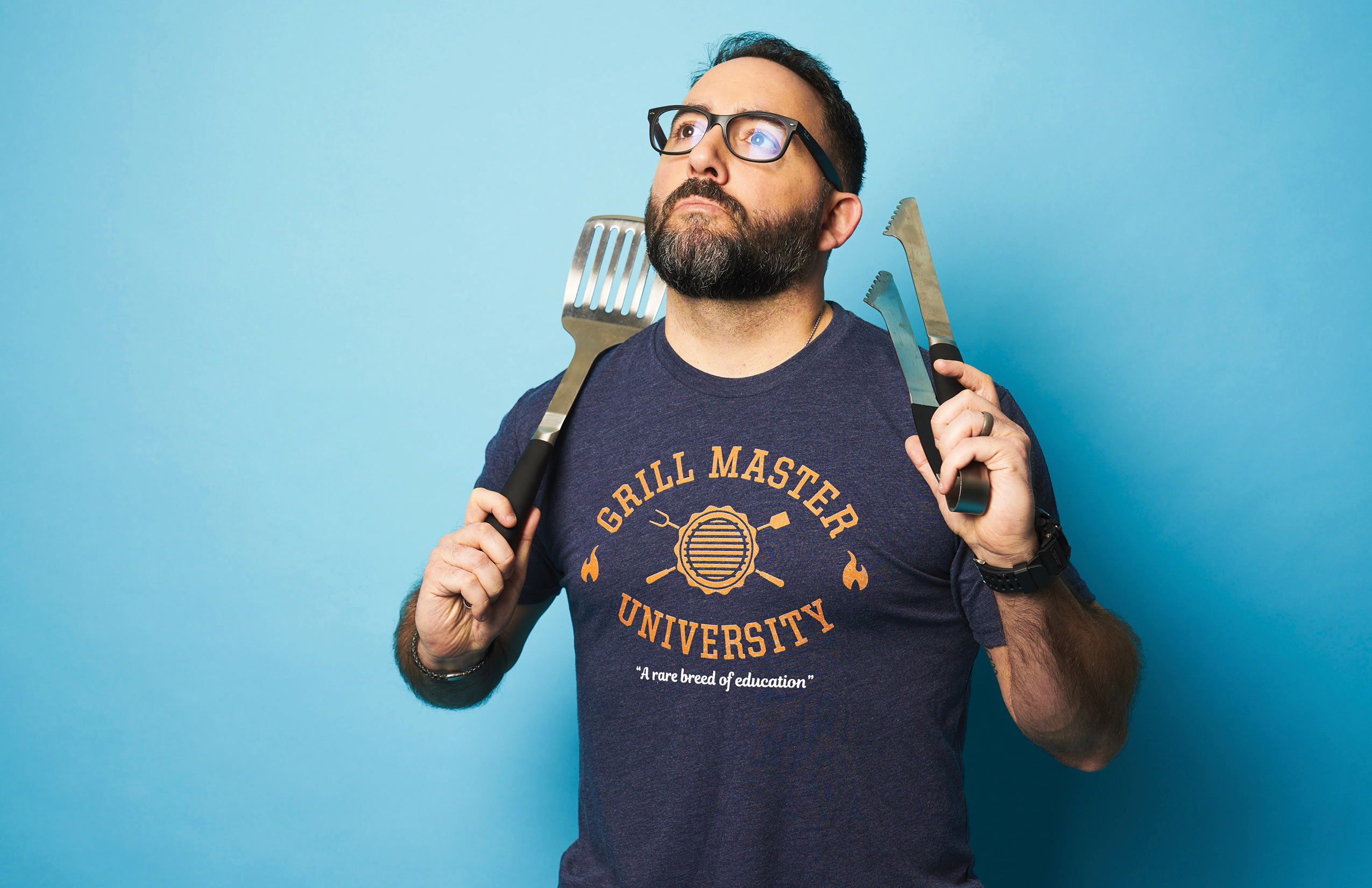
The Dad's identity was rooted in recognition. Tongs. Grill masters. Inside jokes dads instantly understood.
It worked because it felt unpolished and self-aware. It felt familiar. That looseness made expansion risky. We inherited a collegiate logo that already had energy and tone. That, along with the subtle distressed texture implied something very specific about the brand. The challenge was heightening it without losing what made it work. More intentional, not corporate. I worked alongside a small in-house team: copywriters, editorial, and leadership. A lot of back and forth, but a necessary exercise to make any of this work.
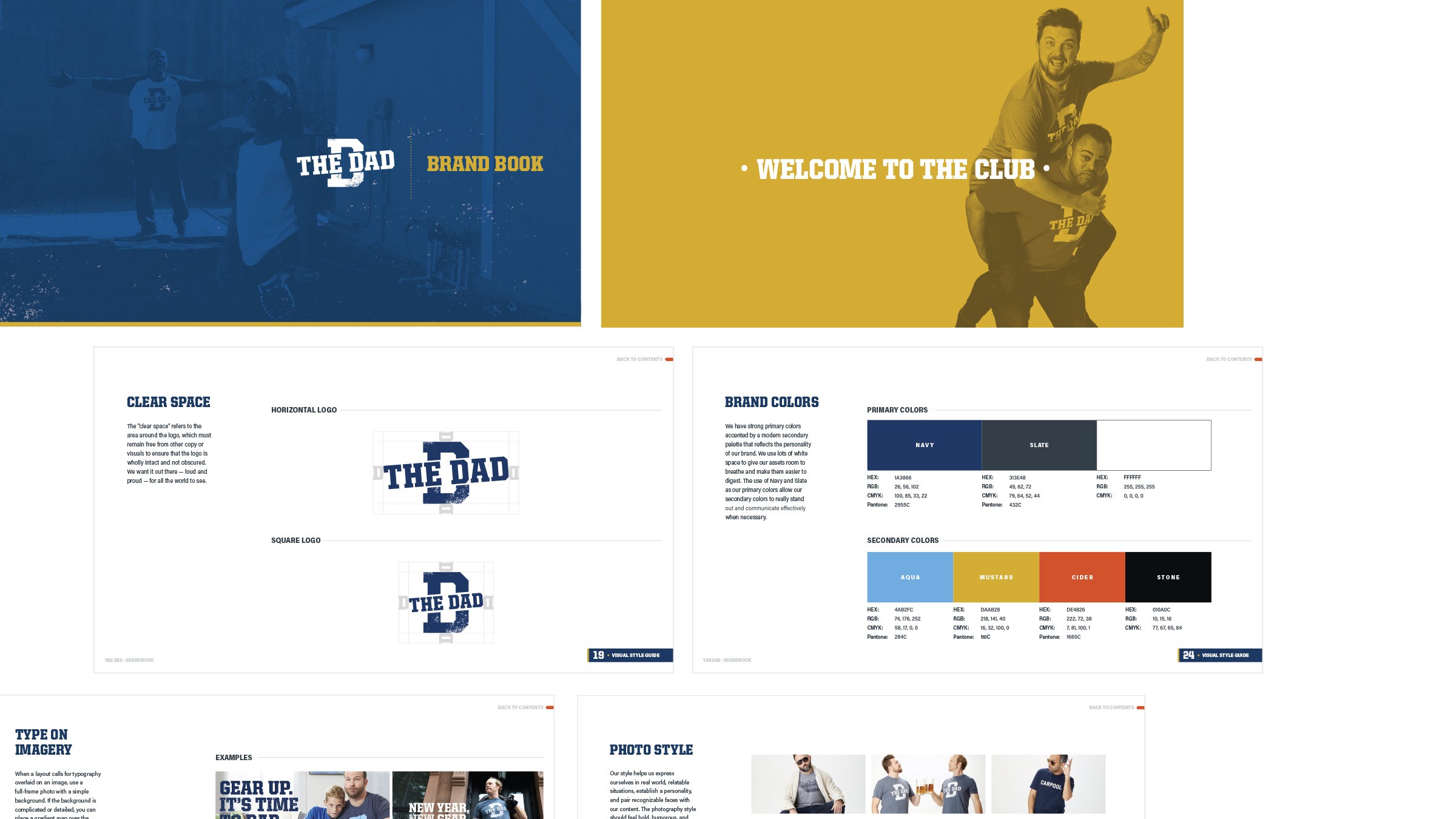
The Brandbook
We reworked the brandbook to give the team clarity. Guidelines that felt like principles, not rules. Typography that was bold without being overdesigned. A color system that worked across memes and product pages without feeling forced.
The Logo
We inherited the logo but as The Dad expanded its offerings, we needed to see how far it could stretch. It felt limiting at first glance. Then I started pushing it. Testing applications, playing with scale, seeing what it could handle. Turns out it had more range than we thought.
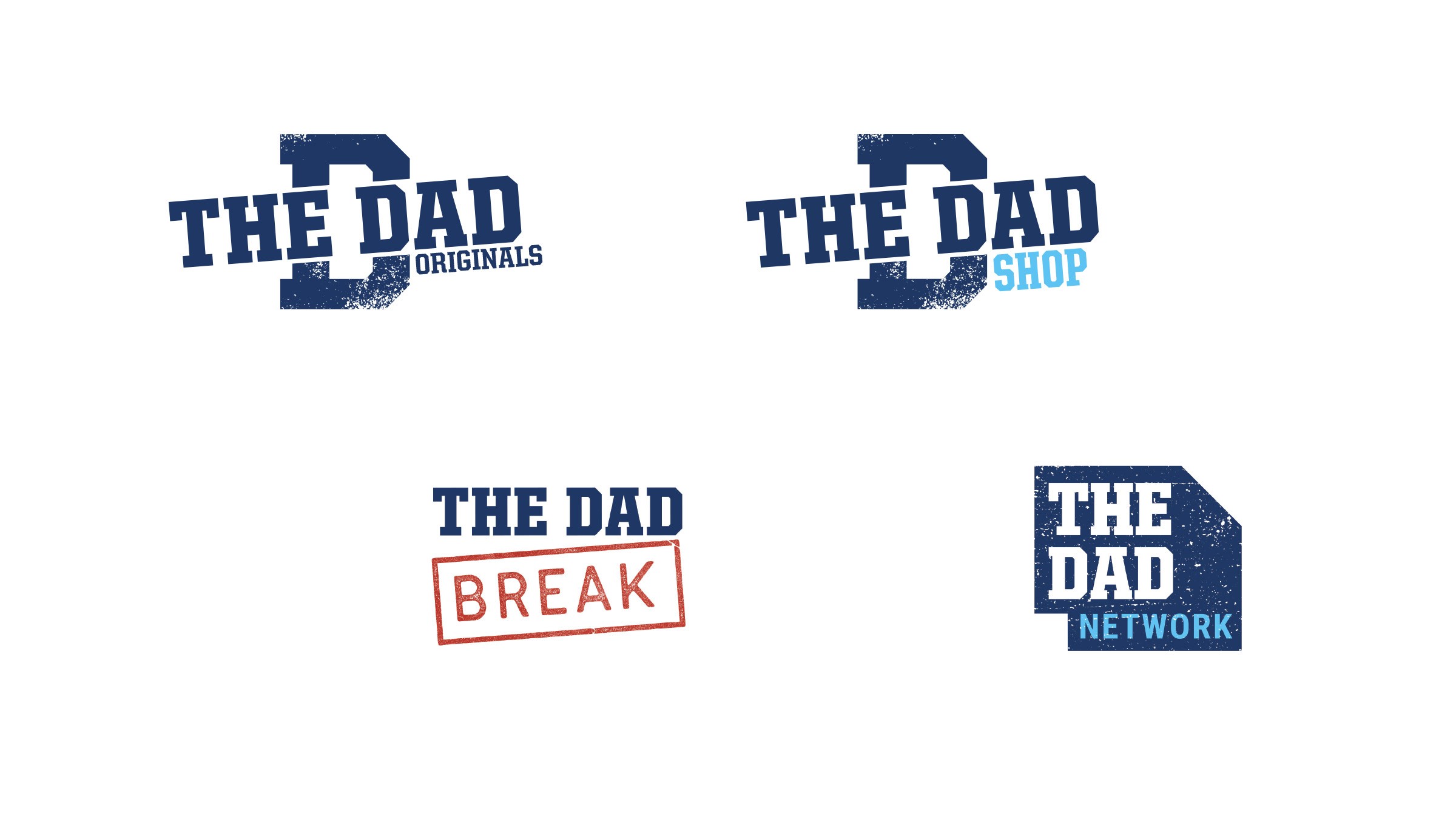
We inherited a collegiate logo that already had energy and tone. That, along with the subtle distressed texture implied something very specific about the brand.
The Store
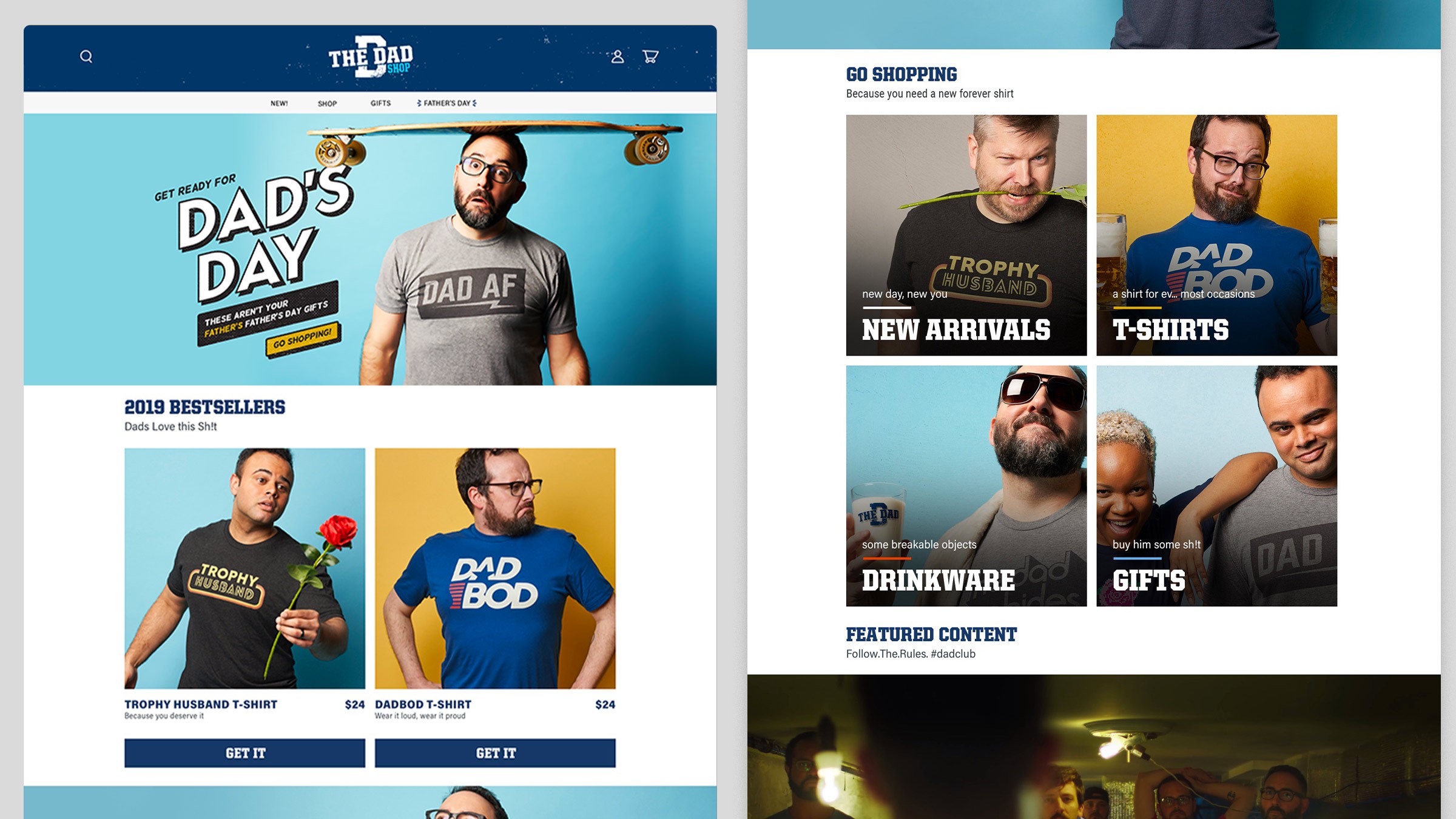
With brand foundations in place, we moved into commerce. The store needed to feel like a natural extension of the meme world, not a jarring pivot into lifestyle branding. The audience already knew what The Dad felt like. The tone had been established. The jokes on point. The tongs… clicked? The store had to match that expectation.
Frictionless shopping experience
I led the shop experience design. Clear navigation. Minimal friction. Strong product focus. Tone consistency across copy and visuals. We kept hierarchy simple, leaned on bold typography, and let product photography carry weight. Featured real dads with bold photography to maintain that
Products & The Pivot
While building the store, I worked on product and photography direction in parallel. We didn't get much time, so there was a lot of parallel pathing. Sound familiar?
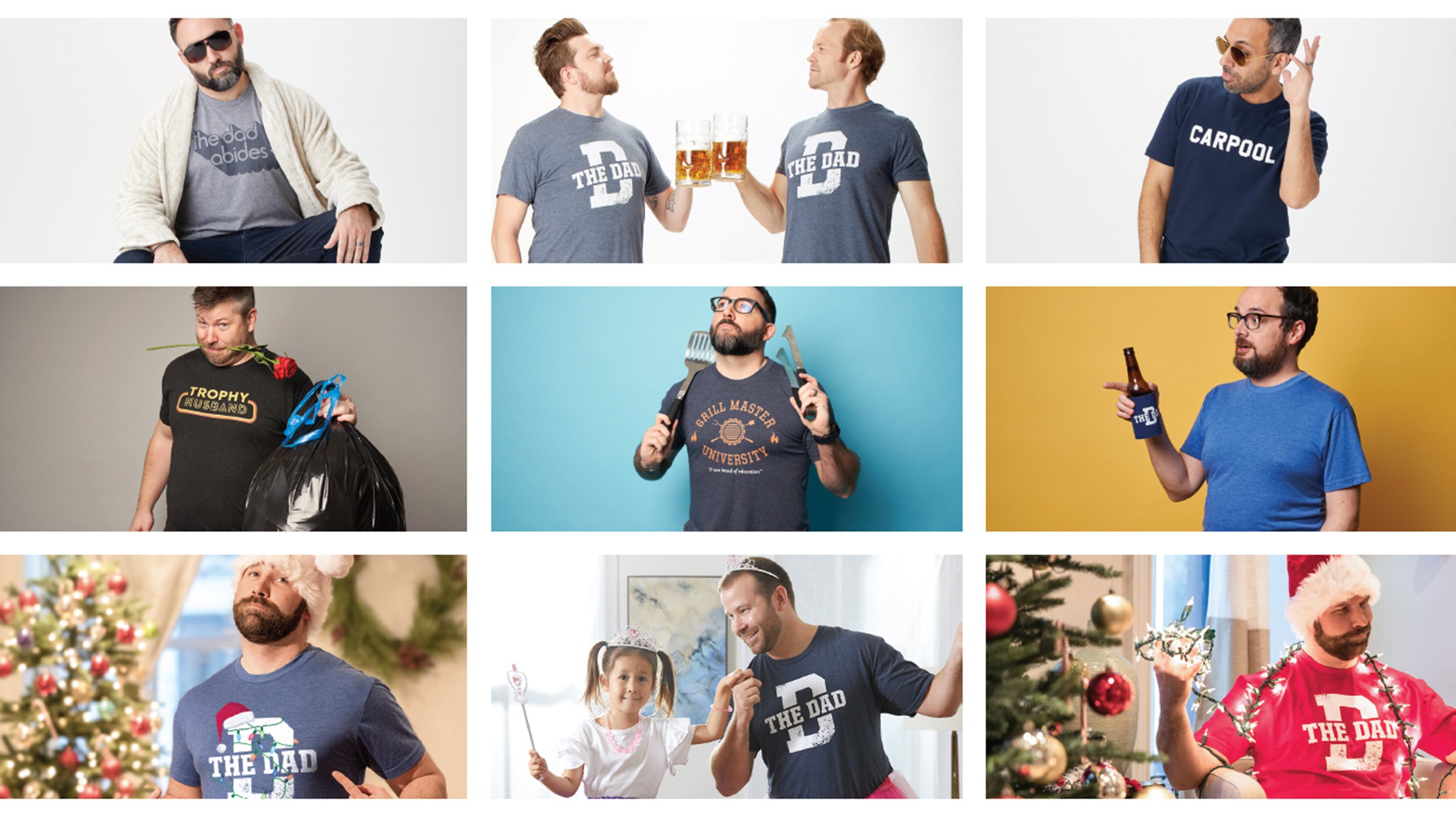
Product development was where I really got to play. T-shirts based on 80s cartoons. Dad jokes plastered across chests. 70s-inspired designs for our vintage dads. There were no limits to what I could create, and I took full advantage. The lawyers told us to chill. I still had fun. Though there's a G.I. Joe-themed shirt that will never see the light of day, and that's tragic.
Product Strategy
Wearability was paramount. Dad jokes are plentiful, but which ones would you actually wear on your chest every day? We focused on pride and relatability with more than a hint of humor. Trophy Husband ended up being our best seller. Then we learned an interesting lesson.
The Pivot
A few months into launch, we pulled metrics: 75% of our visitors were women.
I remember the meeting. My exact reaction was "HUH?!" This shifted everything. We weren't just selling to dads. We were selling to women looking for gifts FOR dads, husbands, partners. It became less about what dads would like and more about what someone would gift a dad.
Portrait & Symbol
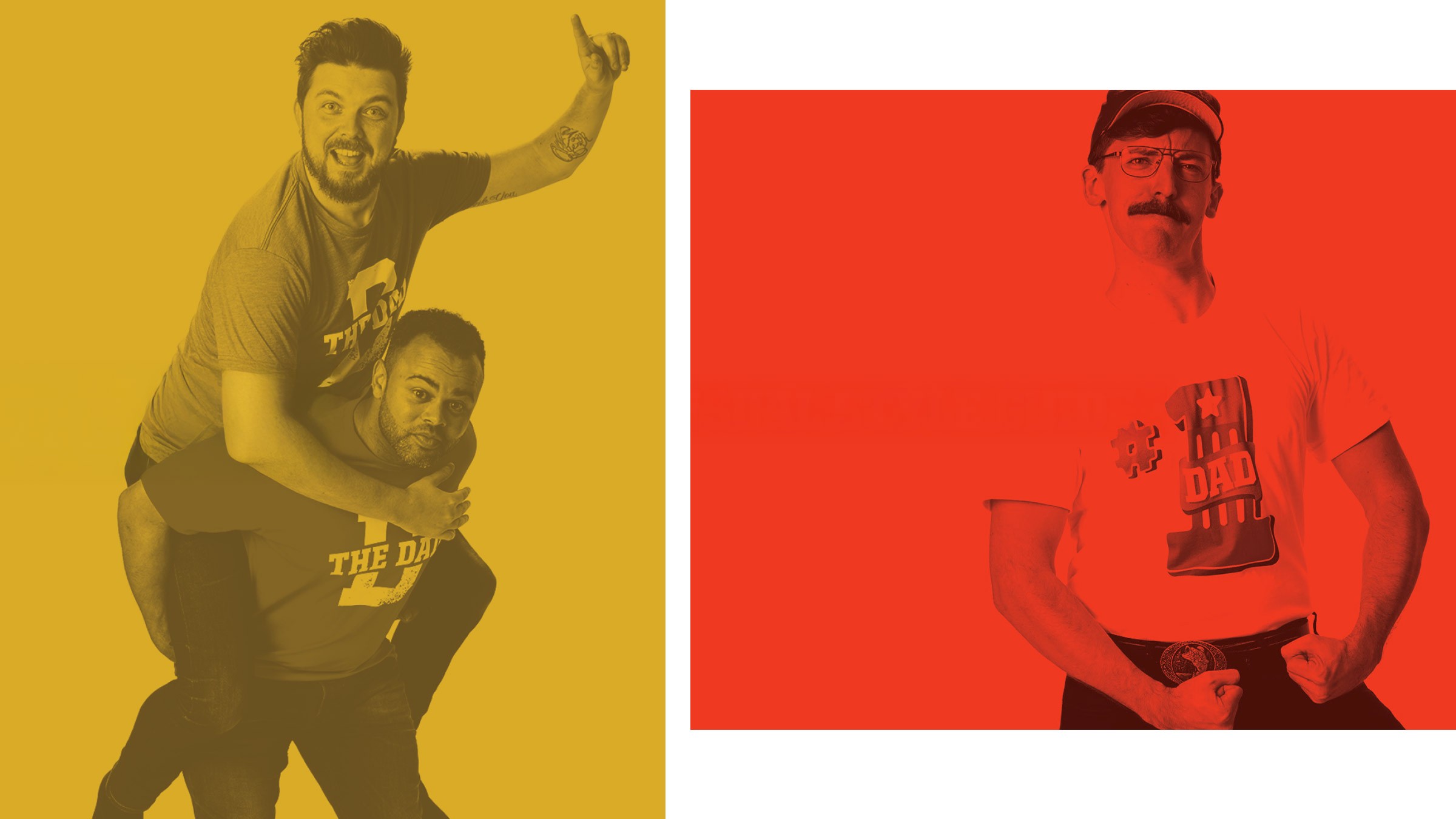
The imagery was intentionally staged. Some shoots were elaborate. Others, minimal. A single dad, bold pose, graphic background. We made a deliberate decision not to chase documentary realism. Instead, we embraced intentional staging that celebrated fatherhood directly: clean composition, bold color moments, and a hint of comedy. Visual clarity that worked across web and social. The work lived somewhere between portrait and symbol. Bold. Intentional. Celebratory.
Our Dads
Photographing our dads wasn't just a photoshoot. It was a celebration. Using real dads from our team, not models or actors, gave us permission to push further. They understood the joke. They were in on it. Some even helped create it. That authenticity let us be bolder than we could've been with hired talent.
Our Products
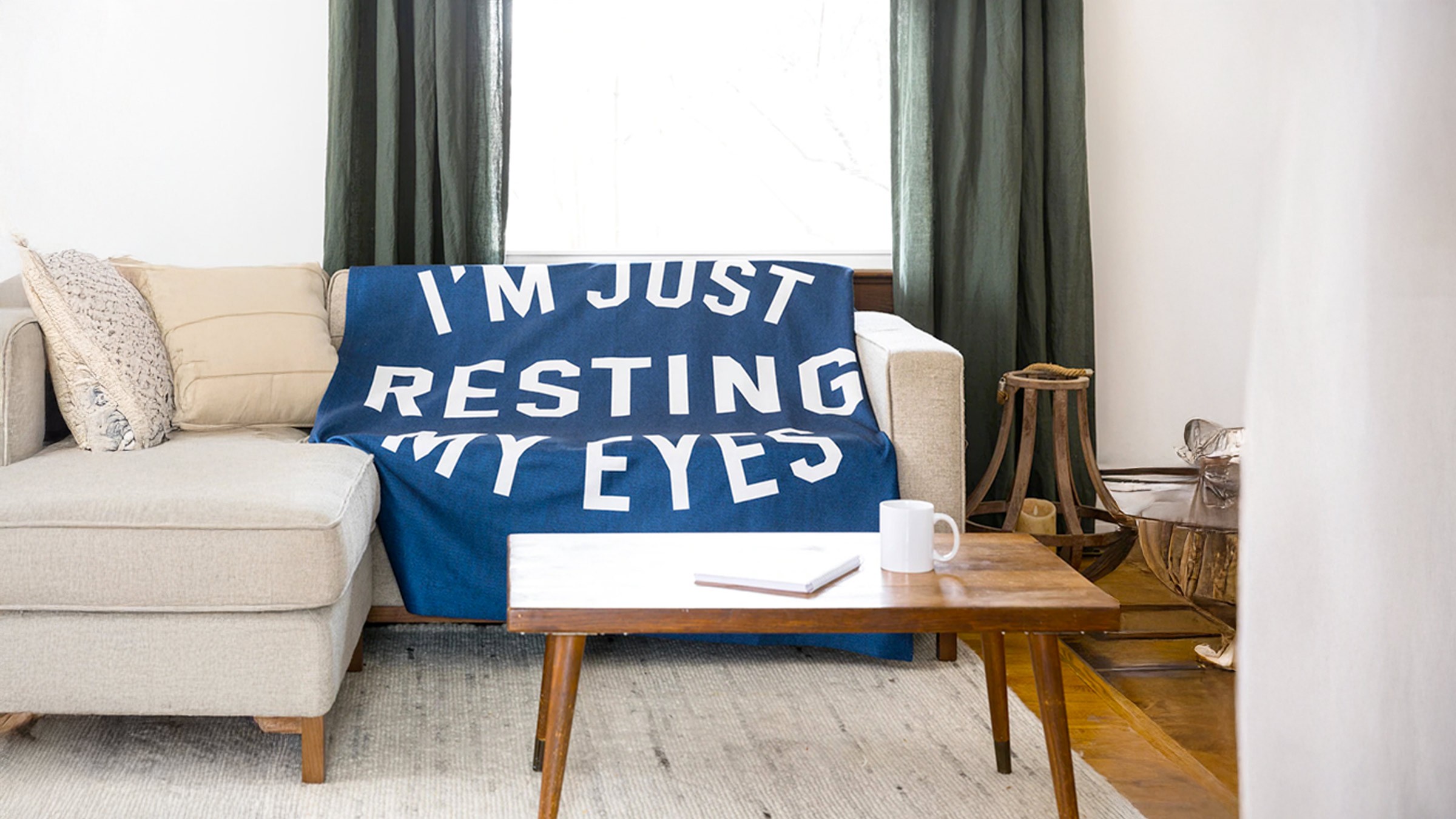
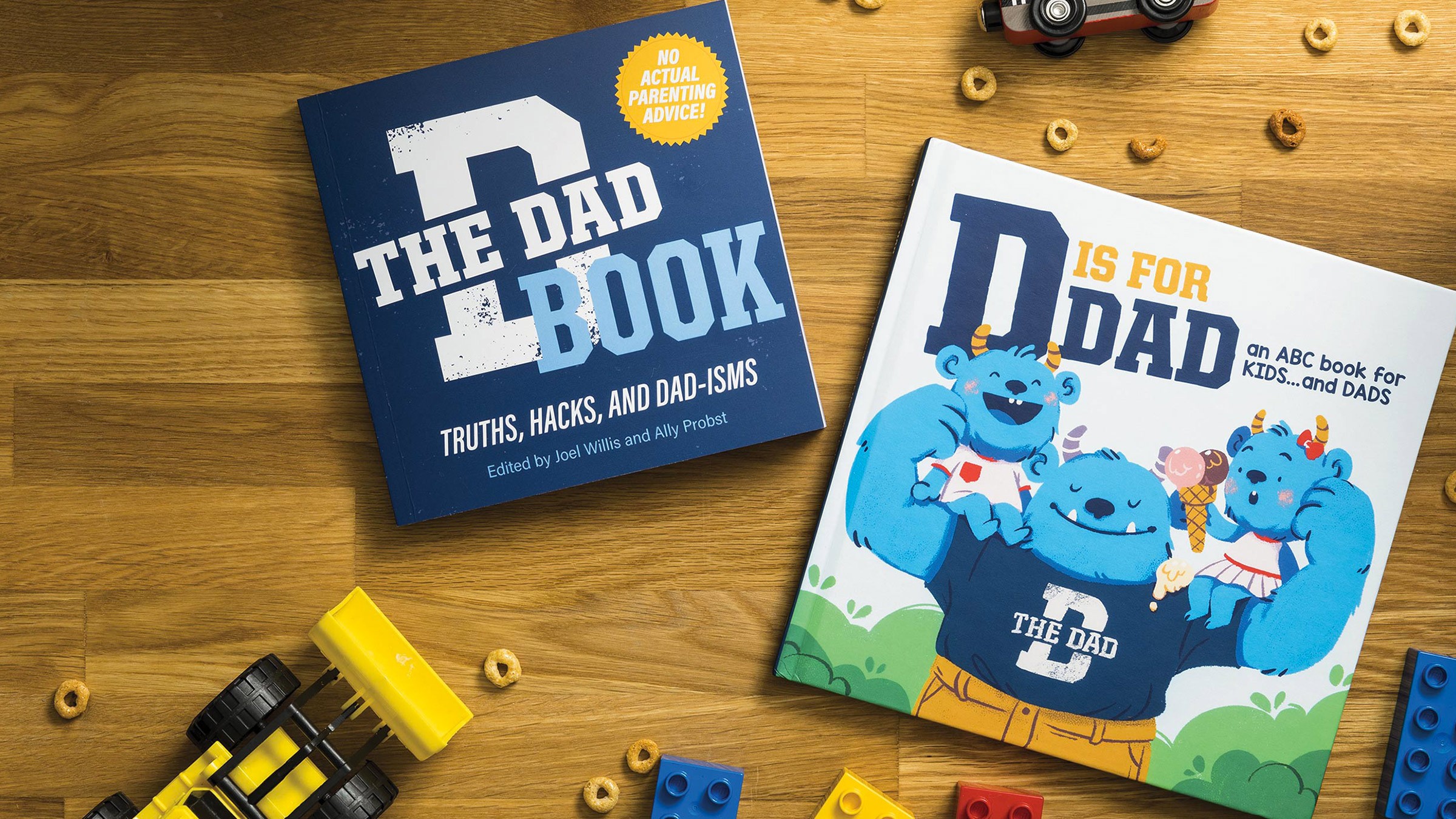
Product shoots were another opportunity to lean into the reality of parenting. Instead of relying only on beautifully staged shots, we captured what it actually looks like. Books on the ground amongst toys and Cheerios. Blankets draped over a couch, not perfectly arranged. Authenticity remained the goal.
Results
The Dad Store launched successfully and became a core revenue stream for the brand resulting in over 2M in sales over 3 years. The 75% women insight reshaped our product strategy. We weren't just selling to dads. We were selling to people looking for gifts dads would actually use.
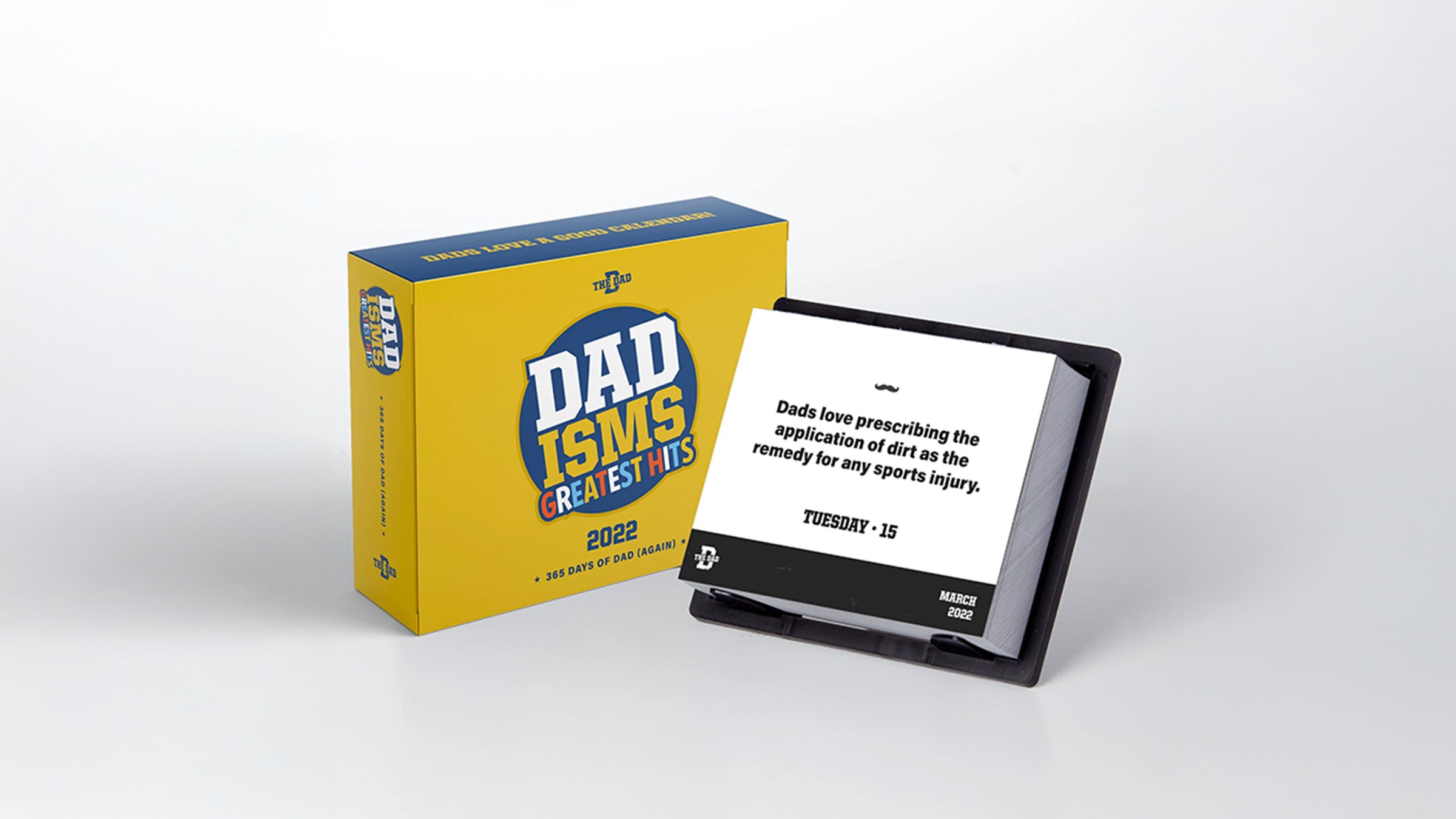
That reframe led to our best-selling product: the daily calendar featuring dad jokes pulled directly from the social account. The pivot also opened the door to new product lines: an ABC children's book (featuring more content pulled from the social account) and a dad instruction manual that leaned into the absurdity of parenting without being precious about it.
The work established The Dad's visual and product language for e-commerce, proving you could sell things and still feel real.
The Dad was eventually acquired by BDG, validating the business model we helped build.